
What is ARFID and How Can a Dietitian Help?
ARFID Dietitian: Nutrition Support for Avoidant/Restrictive Food Intake Disorder ARFID nutrition support shouldn’t be about forcing foods or simply telling someone to “just eat.” Working with an ARFID dietitian can help you better understand what is making eating difficult and find realistic ways to support nourishment, safety, and quality of

Midday Eating with ARFID: Gentle Ways to Support Lunch and Daytime Nourishment
Struggling to eat during the day with ARFID? Learn gentle ways to support midday eating with simple lunch ideas, snacks, and flexible strategies like grazing and eating every 3 to 5 hours.

When Food Changes Packaging: Why It Happens + What You Can Do
You walk into the grocery store looking for a food you buy all the time—and suddenly, you notice it looks different. Maybe the colors changed. The logo is different. The pictures on the front aren’t the same. The bag feels different in your hands. And even if someone tells you,

ARFID-Friendly Fiber Options: Why Fiber Deserves More Attention
If you spend any time on social media lately, it probably feels like everyone is talking about protein. High-protein snacks.Protein coffee.Protein cereal.Protein desserts.Protein everything. And while protein is important, the reality is that many people are already getting enough protein to meet their basic needs. Fiber, on the other

Accommodations vs. Harm Reduction in ARFID: What’s the Difference (and Why they Both Matter)
Accommodations vs. Harm Reduction in ARFID The idea for this post came after attending a recent eating disorder conference, where I noticed the terms accommodations and harm reduction being used almost interchangeably. While they are closely related—and often used together—they are not the same thing. And in ARFID care, that

ARFID Breakfast Ideas: Gentle, Low-Pressure Ways to Start the Day
Mornings can be one of the hardest times to eat when you have ARFID. Low appetite, nausea, time pressure, and sensory sensitivity can all make breakfast feel overwhelming. And when eating feels hard, being told it is “the most important meal of the day” does not help. It often adds
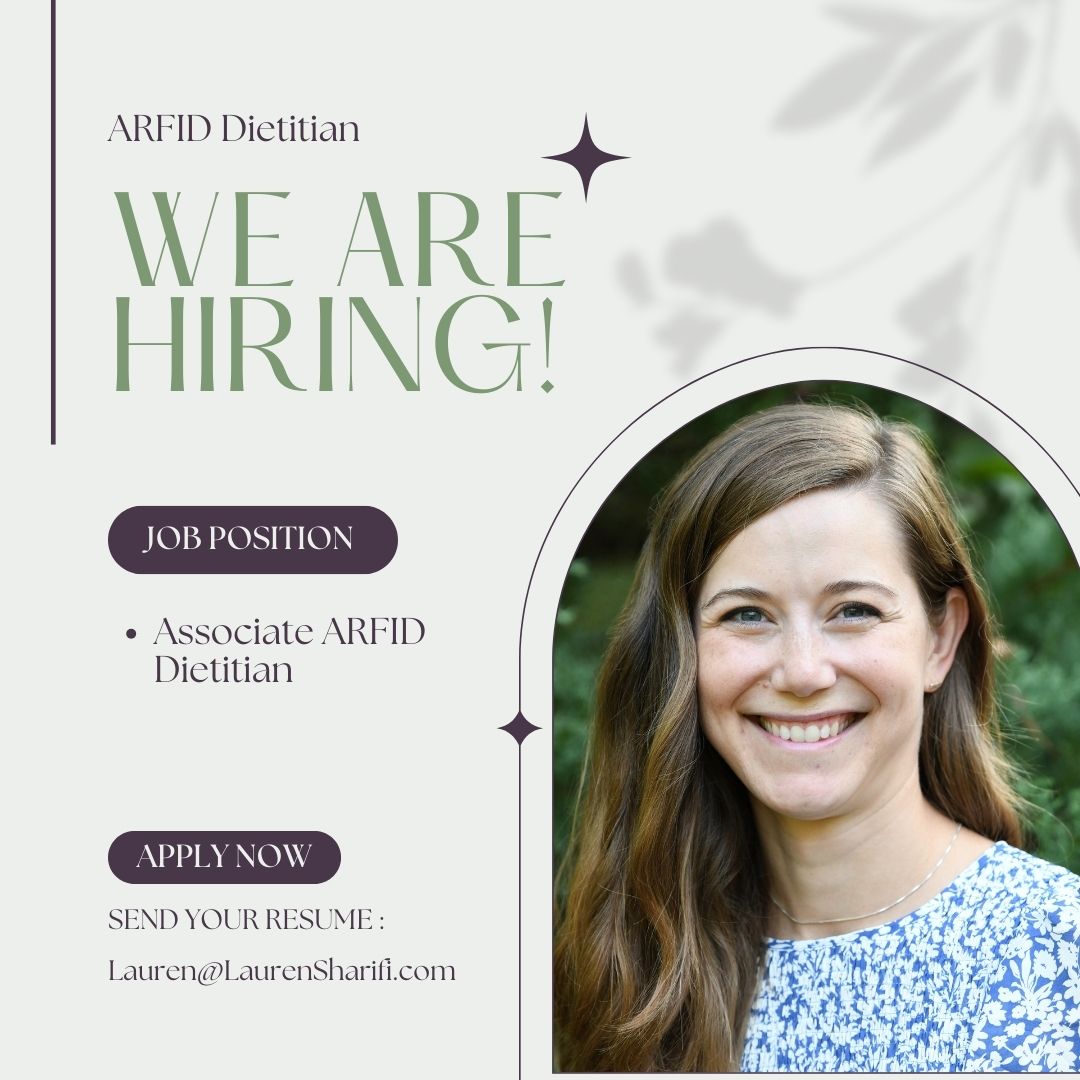
We’re Hiring! Associate ARFID Dietitian
Registered Dietitian (RDN) – Virtual, Ages 16+ Lauren Sharifi Nutrition | Massachusetts (Remote)Part-Time → Growth to Full-Time Lauren Sharifi Nutrition is a neurodiversity-affirming, trauma-informed virtual private practice specializing in Avoidant/Restrictive Food Intake Disorder (ARFID). We primarily support older adolescents (16+) and adults who have often felt misunderstood, pressured, or pathologized
ARFID in Adults: Why It’s Often Missed
Avoidant Restrictive Food Intake Disorder (ARFID) is often thought of as a childhood condition. But many adults are living with ARFID — often without realizing that their eating patterns have a name. Some adults with ARFID have struggled with food since childhood. Others may notice their eating became more restrictive
Food Scarcity Mindset & ARFID: Understanding and Navigating It
For many people, running out of a favorite food is just an inconvenience. But for someone with ARFID (Avoidant Restrictive Food Intake Disorder), it can feel like a crisis. That’s because safe/preferred foods aren’t just preferences—they’re safety. When these foods feel scarce or unpredictable, the brain interprets it as a
Understanding ARFID and Rejection Sensitivity
If you live with ARFID (Avoidant/Restrictive Food Intake Disorder) or suspected ARFID, you know that eating isn’t always just about hunger or nutrition. For many adults with ARFID, meals can feel overwhelming, unpredictable, or even unsafe — and that can trigger deep emotional responses. One of the lesser-discussed factors that
Foundations of Support and Nourishment: An ARFID Workbook
When it comes to supporting individuals with Avoidant/Restrictive Food Intake Disorder (ARFID), nutrition care goes far beyond what’s on the plate. It’s about creating safety, understanding, and structure — the foundation that makes nourishment possible. That’s exactly why I created Foundations of Support and Nourishment: An ARFID Workbook — a
Felt Safety and Eating with ARFID: Understanding the Key Factors
When it comes to Avoidant/Restrictive Food Intake Disorder (ARFID), nutrition support isn’t just about what’s on the plate — it’s about the environment, relationships, and internal experiences that shape a person’s ability to eat. One concept that plays a huge role in supporting people with ARFID is felt safety. Felt
Navigating ARFID, OCD and Food Recalls
Authors: Lauren Sharifi, MPH, RD, LDN and Allyson Inez Ford, MA, LPCC This blog post has been heavily requested by those with lived experience with ARFID. It was written in collaboration between Lauren Sharifi, a registered dietitian specializing in ARFID (Avoidant/Restrictive Food Intake Disorder) and Allyson Inez Ford an Eating

ARFID Holiday Gift Ideas!
Thanks to one of my clients for this idea! All of these gift ideas are products my clients and members of our adult ARFID community have shared as items or services that have been helpful in their ARFID journey, either with supporting nourishment, ARFID management or overall well-being. 1. Fidgets
5 Ways to Support Someone with ARFID: “The 5 A’s”
Avoidant/Restrictive Food Intake Disorder, or ARFID, is a complex eating disorder and eating disability that goes beyond just “picky eating.” It’s marked by an intense avoidance of certain foods, often due to sensory sensitivities, anxiety around food, or lack of interest in food. For friends, family members, and caregivers, supporting
Felt Safety: The Foundation of ARFID Support
One common question I get asked is “why am I struggling to eat?” or “why am I dropping safe foods?” often the answer is something is impacting felt safety of the food or your body. Felt safety or a regulated nervous system is a basic and fundamental human need. Those
Appetite versus Hunger + ARFID
Last month we held an educational support group on Appetite and ARFID that we got a lot of great response from. So much so we thought it would be helpful to share a little more on this topic to our readers and community! So what is Appetite versus Hunger? Appetite
How to Talk with Others About Your ARFID
One question that comes up often in our support groups is how to talk with others about your ARFID. So if this is a question you have I hope these ideas/suggestions help you! 1.Share with individuals you are comfortable with. It may not feel safe to share with everyone in

How to Meal Plan with ARFID
When you think of meal planning the first words that come to my mind are a structured 3 meal, 3 snacks plan; recipes; cooking or meal preparation for all meals/snacks; “perfectly” plated meals. “Typical” meal planning often does not work or support the needs of those with ARFID. It may
How to Create Food Lists with ARFID
One of the first things I will work on with many of my clients is creating a food list! What is a food list? List of safe, tolerated foods/beverages put into categories based on preference, time to make, nutrition composition, or where food may be consumed etc. How the list

The Power of Community: ARFID Healing Through Connection
In the journey of healing and understanding one’s ARFID, individuals often find themselves facing unique challenges that can be overwhelming. However, there is an essential element that can make a significant difference: community. In this blog post, we’ll explore the profound impact of community on ARFID healing and recovery, highlighting

Learning from Lived Experience: The Vital Role of Individuals with ARFID
When it comes to understanding and supporting individuals with Avoidant/Restrictive Food Intake Disorder (ARFID), there is no substitute for learning from those who have lived experience with ARFID and the challenges and triumphs of this eating disorder. In this post, we’ll delve into the importance of seeking understanding from FIDers
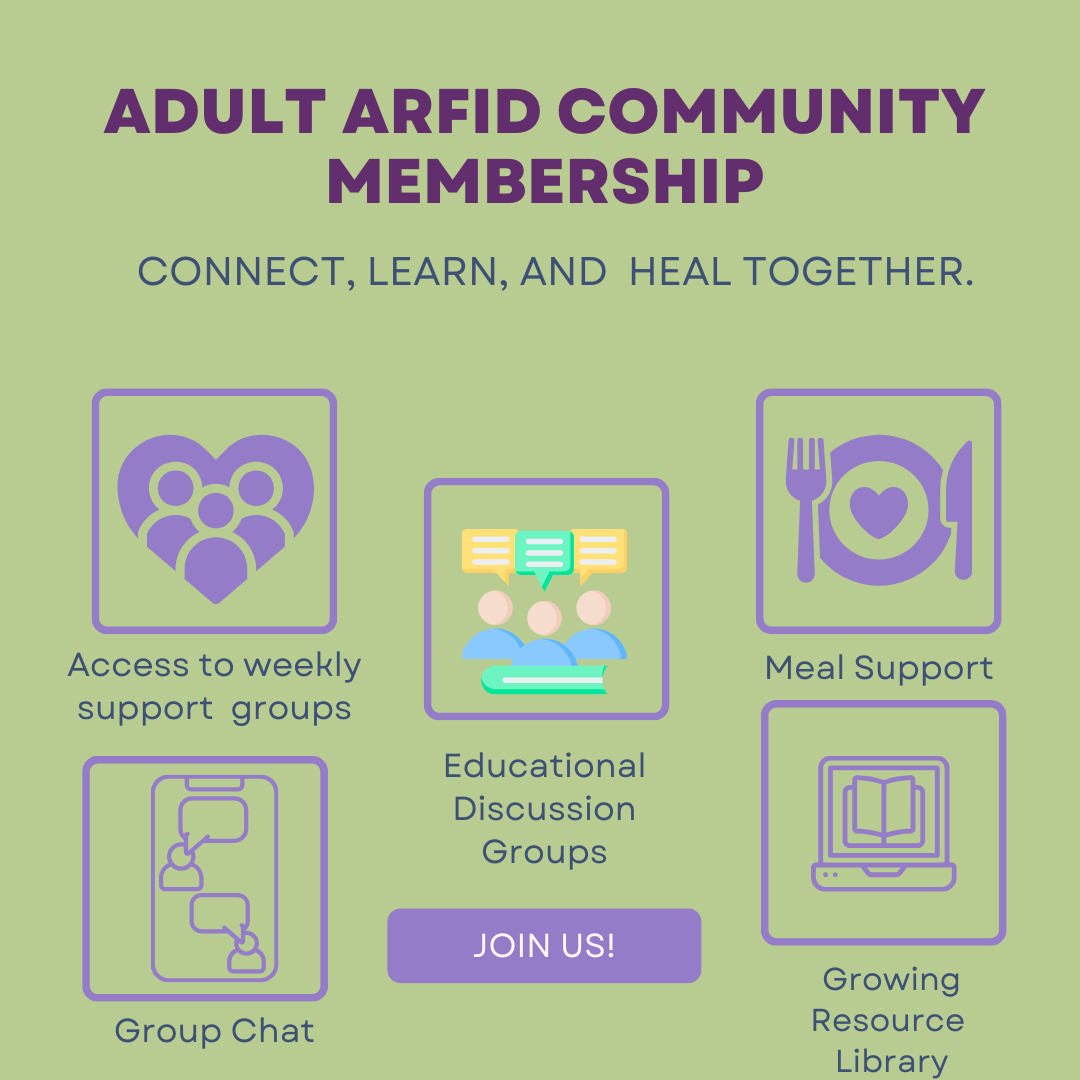
Adult ARFID Support Group
Our team offers weekly support groups for adults 18+ with ARFID and suspected ARFID. Groups include general support group, educational groups, and meal/snack support. The goal of the support groups is to connect those with ARFID to learn and heal together. The groups are facilitated by registered dietitian’s Lauren Sharifi
ARFID and Cannabis: Results from a Lived Experience Survey Project
Disclaimer: The post is for informational purposes only. Cannabis, a plant that contains substances THC and CBD, which have been found to help treat or reduce symptoms associated with ARFID including nausea, low appetite and anxiety(1,2,3) . A survey was created to better understand cannabis use and potential benefits among
Accommodations and Making Eating more Accessible with ARFID
This post is a follow up to Amandas first post sharing her ARFID story: ARFID + Emetaphobia and Becoming a Dietitian. In this post Amanda is sharing 5 ways she accommodates her life with ARFID and makes eating more accessible for her. She hopes these tips are helpful and give
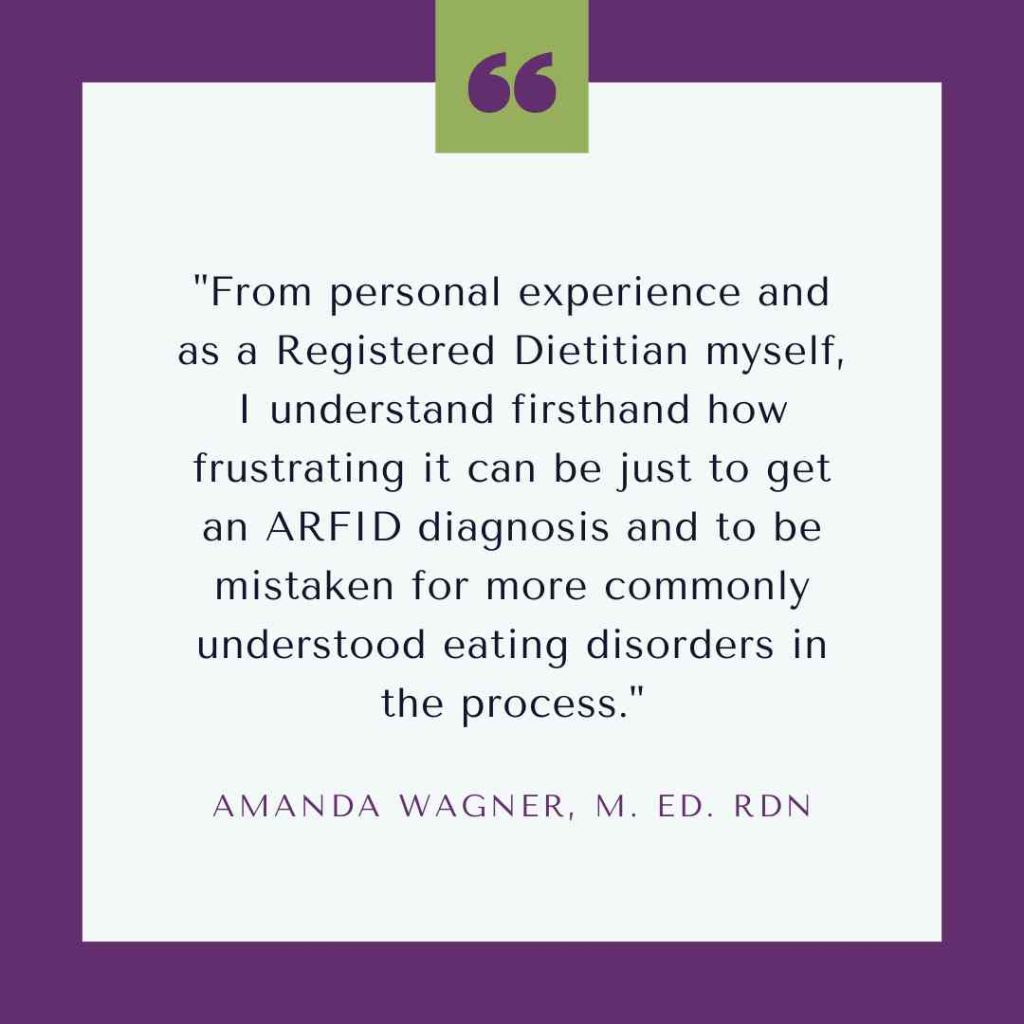
ARFID + Emetaphobia and Becoming a Dietitian
Thank you Amanda for sharing your experience to help others feel less alone! In a follow up post Amanda will be sharing accommodations that have made eating more accessible for her. Author: Amanda Wagner (she/her/hers) Trigger Warning: emetaphobia My name is Amanda and I am an avid competitive runner, a
15 Ways to Try a New Food (Without Eating It)
Progress in exposure work isn’t just eating a new food. There are so many ways you can try a new food to get more familiar with it and discover if it’s a food you want to eat. Many of my clients with ARFID and ARFID like eating behaviors who have
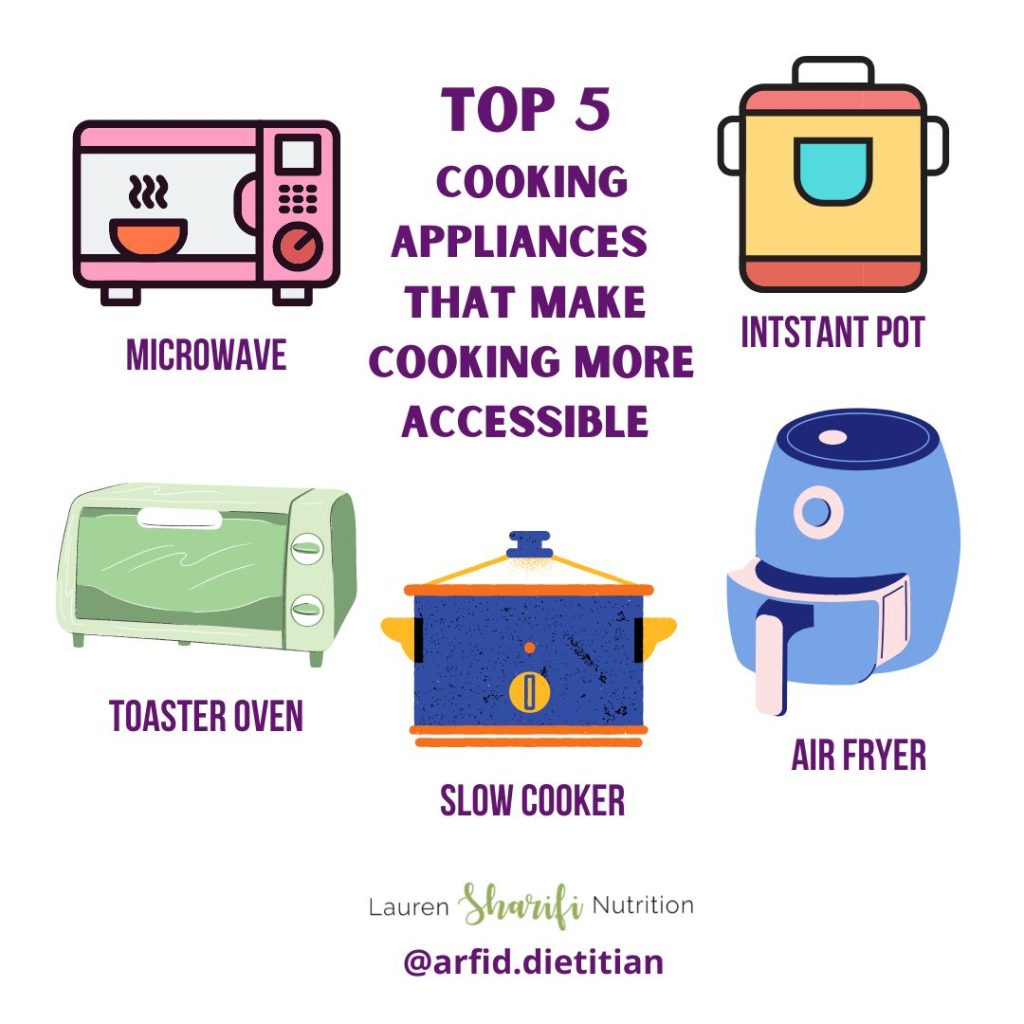
Top 5 Kitchen Appliances that Make Cooking More Accessible
Cooking is one of those life necessities that can be overwhelming for many and especially for many of my ARFID clients. Food avoidance often stems beyond just eating but also the avoidance of selecting, planning, preparing and cooking of foods. I get it it’s a multi-step, time consuming task. Thanks

Supporting your Loved One with ARFID During the Holidays
The holidays can be a difficult time for someone with ARFID. On top of new or unfamiliar foods there is often a lot of changes including new routine, new people, and a new sensory environment. There is also more social interactions and increased expectations around eating a family meal together.

Food Exposure Therapy for ARFID and When is Appropriate?
One way in which I work with clients to help them increase their preferred foods and find food freedom is through food exposures. But this is very often the last step! The most important thing is that the individual is well nourished and ready/internally motivated to try new foods. If